Identify your primary brew method
Espresso requires fine, powdery grounds and 334 of our listed grinders specialize in this range. For French press or cold brew, look for grinders with consistent coarse settings.
Brand pages and collection slices for Burr coffee grinders.
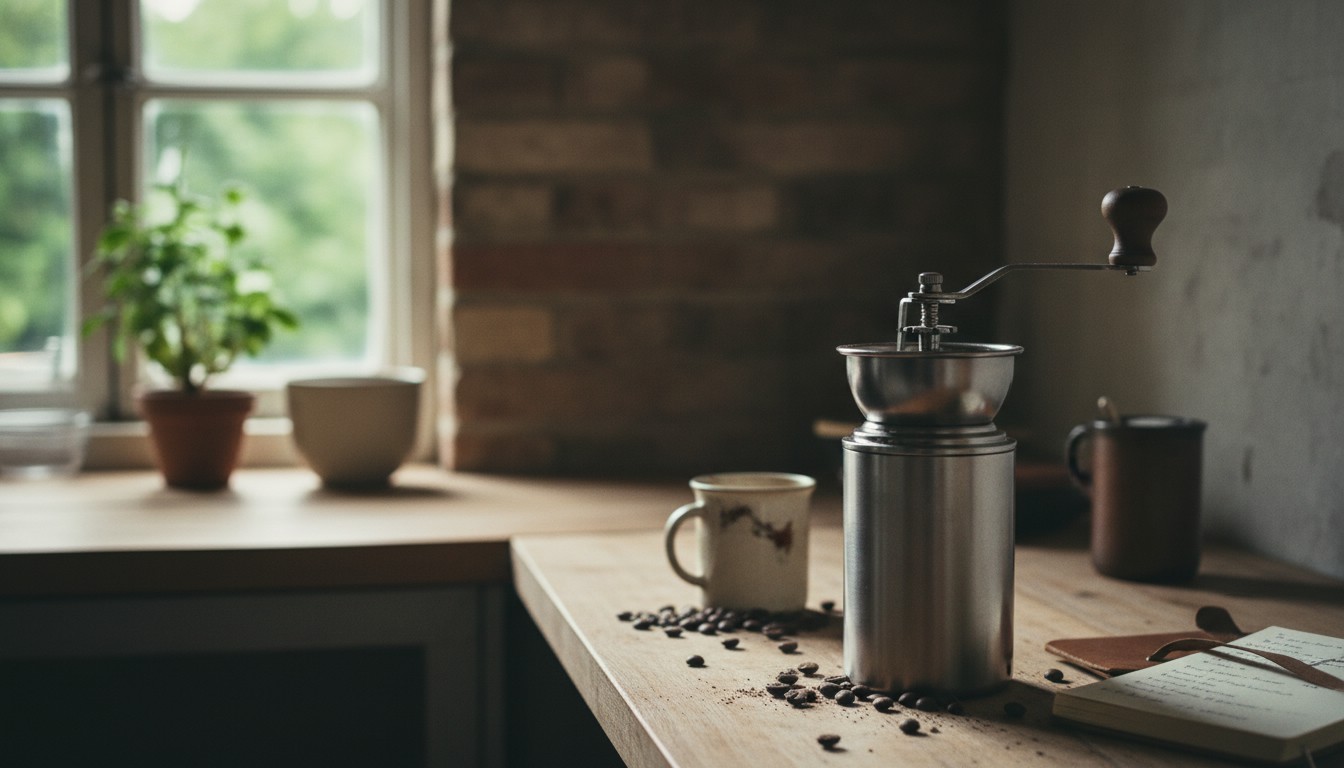
We sort grinders based on mechanical specs and intended use cases. We prioritize burr type, adjustment precision, and motor output to match specific brewing needs.
Quickly access the most common configurations for home baristas and travelers.
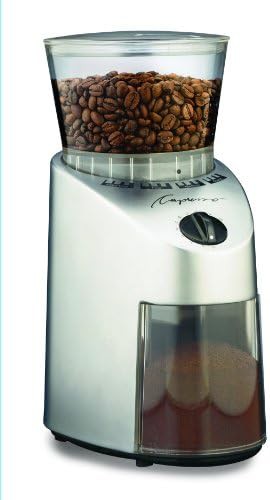
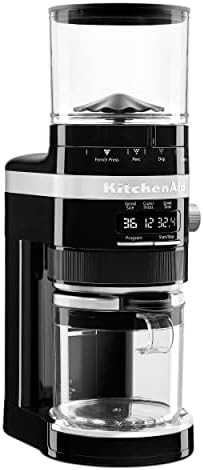
Professional and home offices utilize these conical burr grinders for their quiet operation and durable stainless steel construction. These models are designed to preserve coffee aroma while providing consistent grinds for 2-12 cups
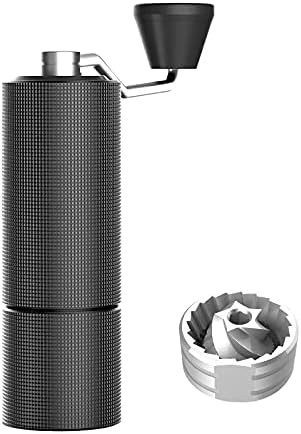
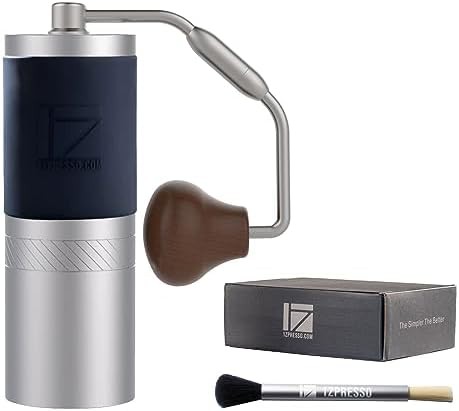
Home baristas and travelers use these grinders to achieve precise particle sizes for everything from fine espresso to coarse French press. These models feature high-grade stainless steel burrs and compact metal bodies for consistent performance
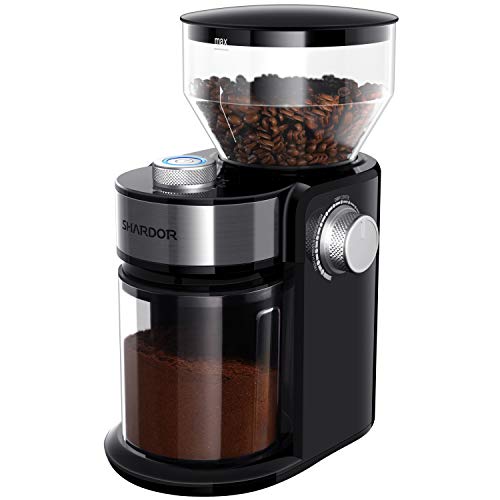
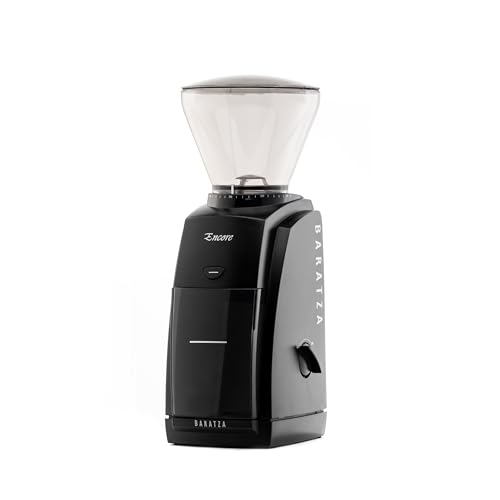
Home users select these electric grinders for their high-capacity bean hoppers and anti-static technology. These machines offer up to 100 settings to accommodate various brewing styles from espresso to pour over
Each card is its own brand page.
 9.1
 8.5
8.5
 8.5
 8.3
 8.2
 8.0
 7.9
 7.9
7.9
 7.8
 7.8
 7.7
 7.7
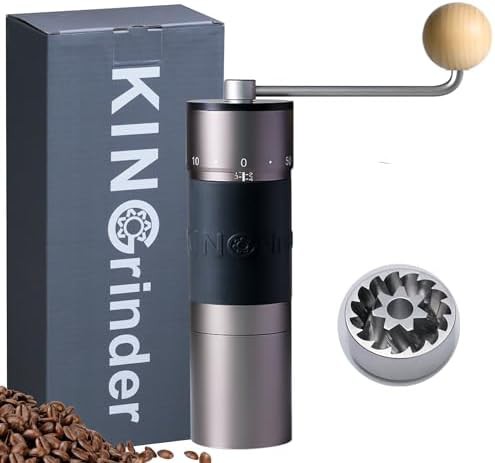 7.7
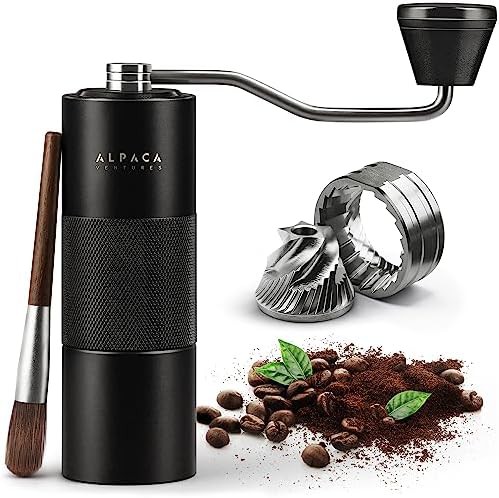 7.6
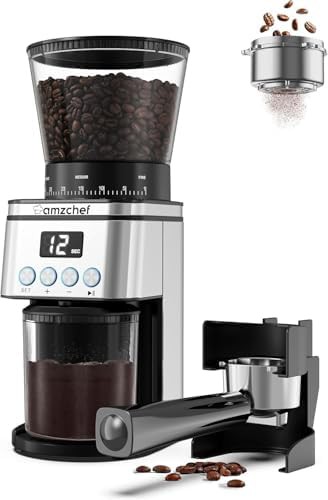 7.6
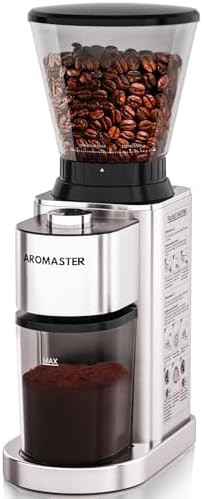 7.6
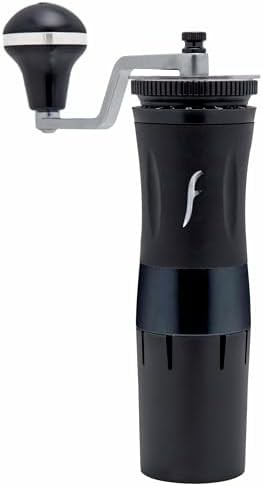 7.5
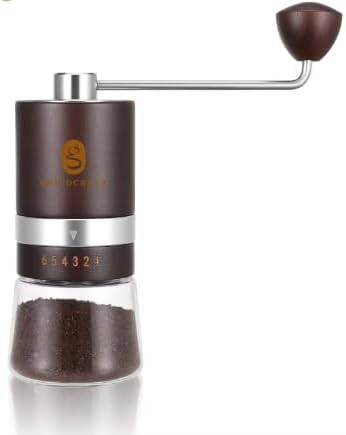 7.5
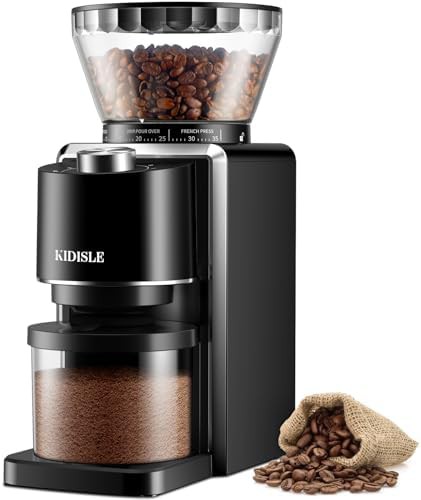 7.5
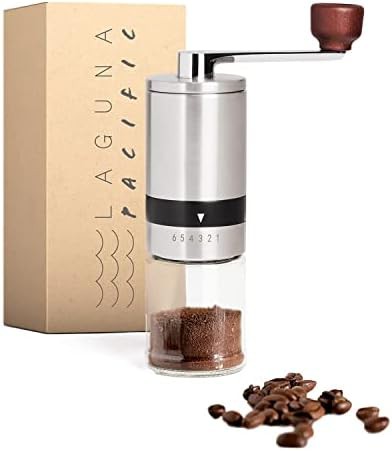 7.5
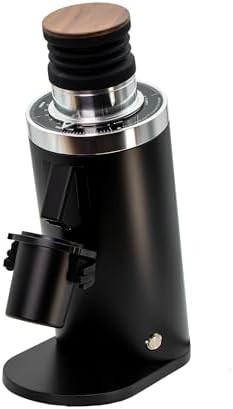 7.5
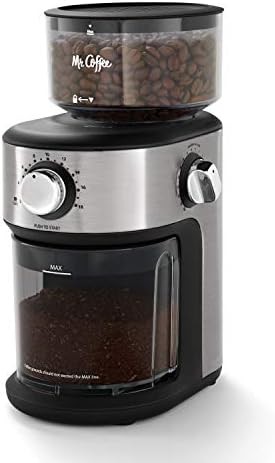 7.4

Espresso requires fine, powdery grounds and 334 of our listed grinders specialize in this range. For French press or cold brew, look for grinders with consistent coarse settings.
Electric grinders offer speed for daily home use. Manual grinders are quieter, portable, and do not require a power outlet for operation.
Small 30 g hoppers suit single doses or travel. Large capacity grinders with 16 oz hoppers are better for entertaining or office environments.
Conical burrs use a cone-shaped ring to produce a classic flavor profile and are highly efficient. Flat burrs use two parallel discs and are often preferred for high uniformity in espresso shots.
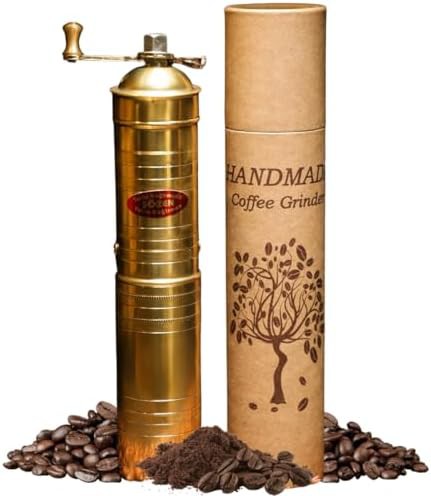
Manual hand grinders and rechargeable cordless models are the most portable options. These designs are lightweight and fit easily into luggage or camping gear.
Anti-static features reduce the static electricity generated during the grinding process. This prevents coffee grounds and chaff from clinging to the container and reduces mess.
Many versatile home grinders offer a wide range of settings to cover both fine and coarse needs. Check for models with at least 30 adjustment points to ensure precision at both ends of the spectrum.